
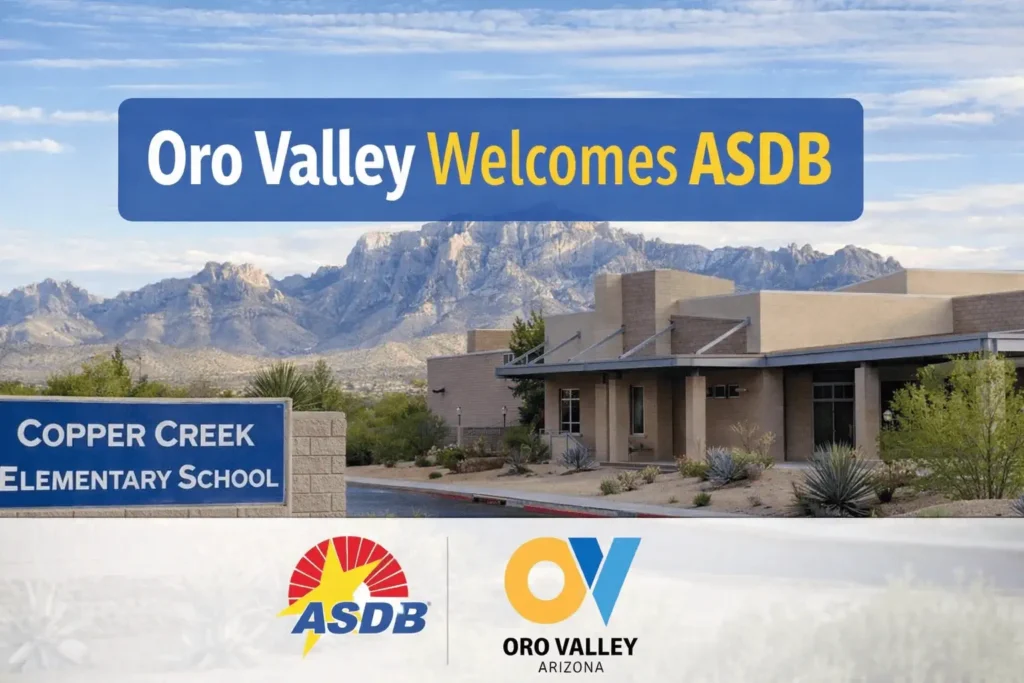
ASDB is bringing its Tucson campus operations to Copper Creek in Oro Valley. Put simply, this is a smart and practical move that helps ASDB control facility costs, protect long term stability, and keep specialized education services running for Arizona families. The decision also keeps a school campus in active educational use and brings a valuable public program into Oro Valley.
What is happening with the ASDB move to Oro Valley
The Arizona State Schools for the Deaf and the Blind (ASDB) board approved relocating the Tucson campus program to Copper Creek in Oro Valley through a lease arrangement with Amphitheater School District. This shift is designed to reduce fixed facility burdens while keeping services available and consistent. You can read the reporting summary here:
AZPM coverage of the board vote.
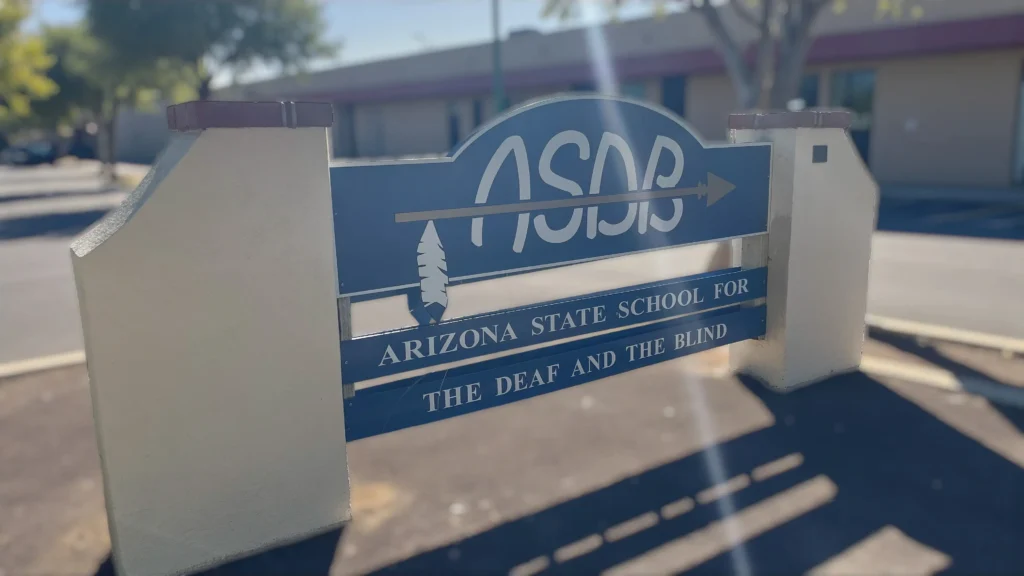
From a community standpoint, this keeps Copper Creek in use as an education site rather than leaving a vacant campus behind. It is also a clear example of regional cooperation between public entities.
Why ASDB is choosing Oro Valley
ASDB leadership has pointed to financial and operational realities behind this change. The main drivers discussed publicly include rising costs, enrollment pressure, and the increasing expense of maintaining older facilities. Moving into a leased school site is a direct way to stabilize overhead so services are not slowly reduced over time due to facility costs.
KOLD outlines key lease details and the transition plan at Copper Creek here:
KOLD report on the Copper Creek lease.
Additional context on why the move is happening has been covered here:
KJZZ report on the relocation to Copper Creek.
Why this is good for Oro Valley
- A school campus stays active and maintained, which helps prevent the decline that often follows a long term vacancy.
- Oro Valley becomes a host community for a statewide specialized public education program, which strengthens our role in regional education solutions.
- The program brings stable professional jobs and daily activity into town, supporting the local weekday economy in a steady, repeatable way.
- The move reflects practical leadership that prioritizes keeping services operating over clinging to a cost structure that is no longer workable.
About blind and visually impaired student services
Some coverage has focused heavily on the fact that the Oro Valley campus will not serve blind and visually impaired students at that physical site. ASDB has stated that blind and visually impaired students will still receive services, but those services are planned to be delivered through public school district cluster or cooperative sites. In reported figures, about 25 blind and visually impaired students expected next year would be served through that model, while the overall Tucson campus has been reported around 114 students total. This indicates the Oro Valley campus is primarily serving the larger deaf and hard of hearing program by headcount.
For reference, this is covered in local reporting here:
KOLD report on blind and visually impaired student services,
and broader numbers and staffing impacts have been discussed here:
AZ Luminaria report on the move and impacts.
This is not Oro Valley excluding anyone. This is ASDB making a service delivery decision based on how to keep specialized education sustainable. A cluster model can work well when it is resourced properly, staffed properly, and communicated clearly.
What ASDB should clarify next to keep the transition smooth
Supporting ASDB and supporting families can be the same thing. The best way to reduce anxiety and keep the rollout clean is simple: publish specifics early enough that families can plan with confidence.
- Confirm the cluster sites and the timeline for notifying families.
- Publish staffing assignments, including teachers of the visually impaired and orientation and mobility specialists.
- Explain how IEP service minutes will be delivered and tracked.
- Detail assistive tech, materials support, and response time for repairs and issues.
- Clarify transportation responsibilities and expected timelines.
ASDB has shared additional relocation planning updates in communications referenced by AZ Luminaria here:
AZ Luminaria report on the family letter and plan outline.
Bottom line
Oro Valley should welcome ASDB at Copper Creek because it is a practical decision that helps keep a specialized statewide program stable, staffed, and operating. ASDB is choosing sustainability over slow decline, and that is the kind of responsible leadership that protects services long term. The next step is clear communication so every family, including those whose service model is changing, has firm details and a predictable plan before the next school year begins.